Enterprise Banking Platform
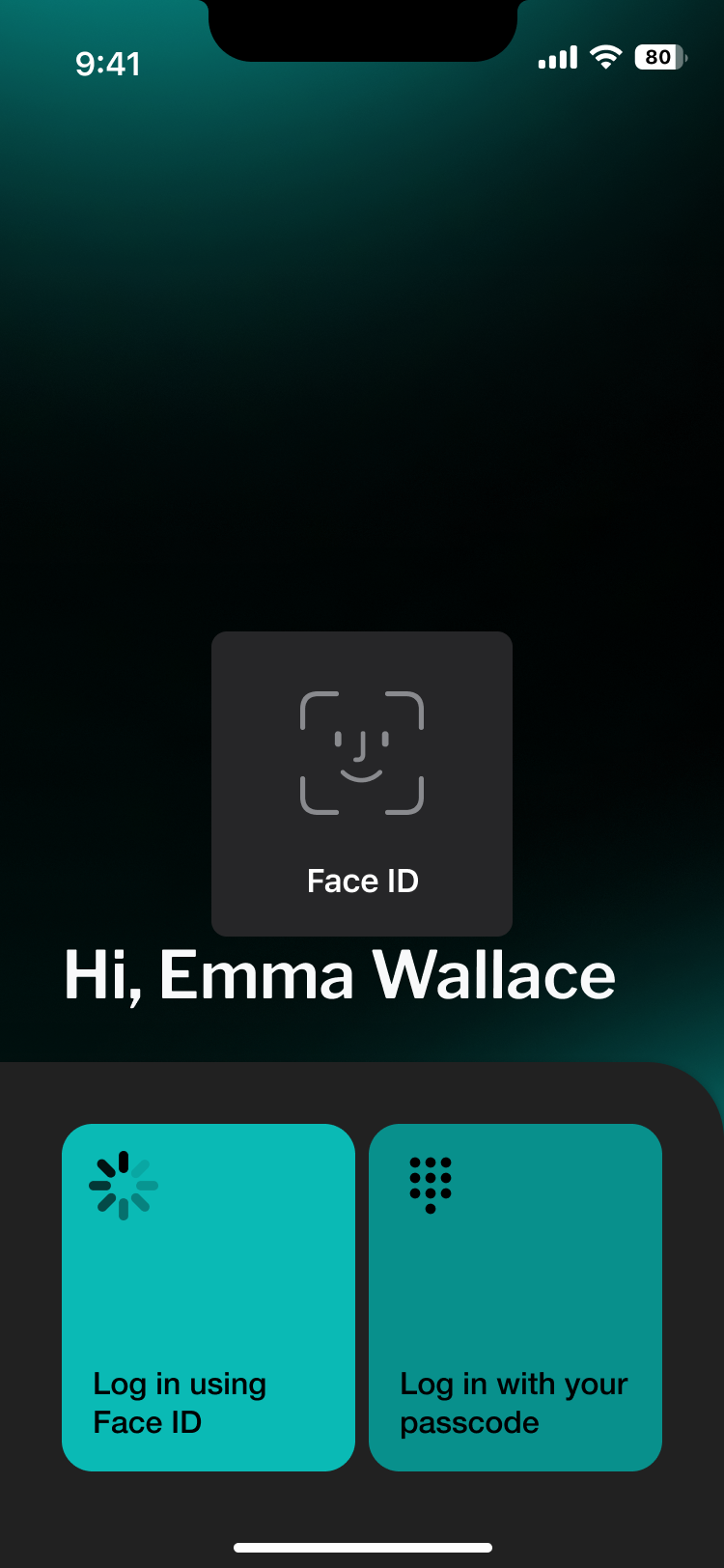
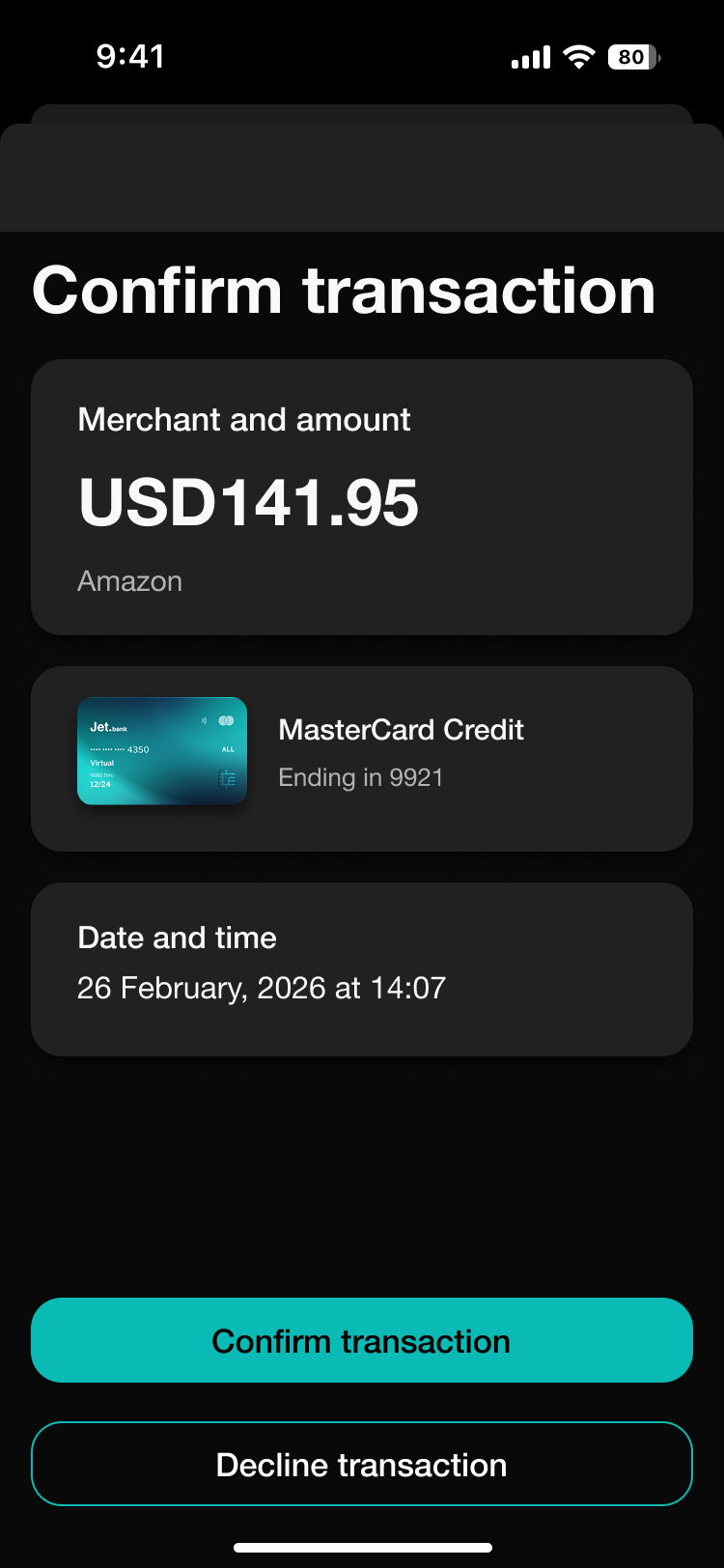
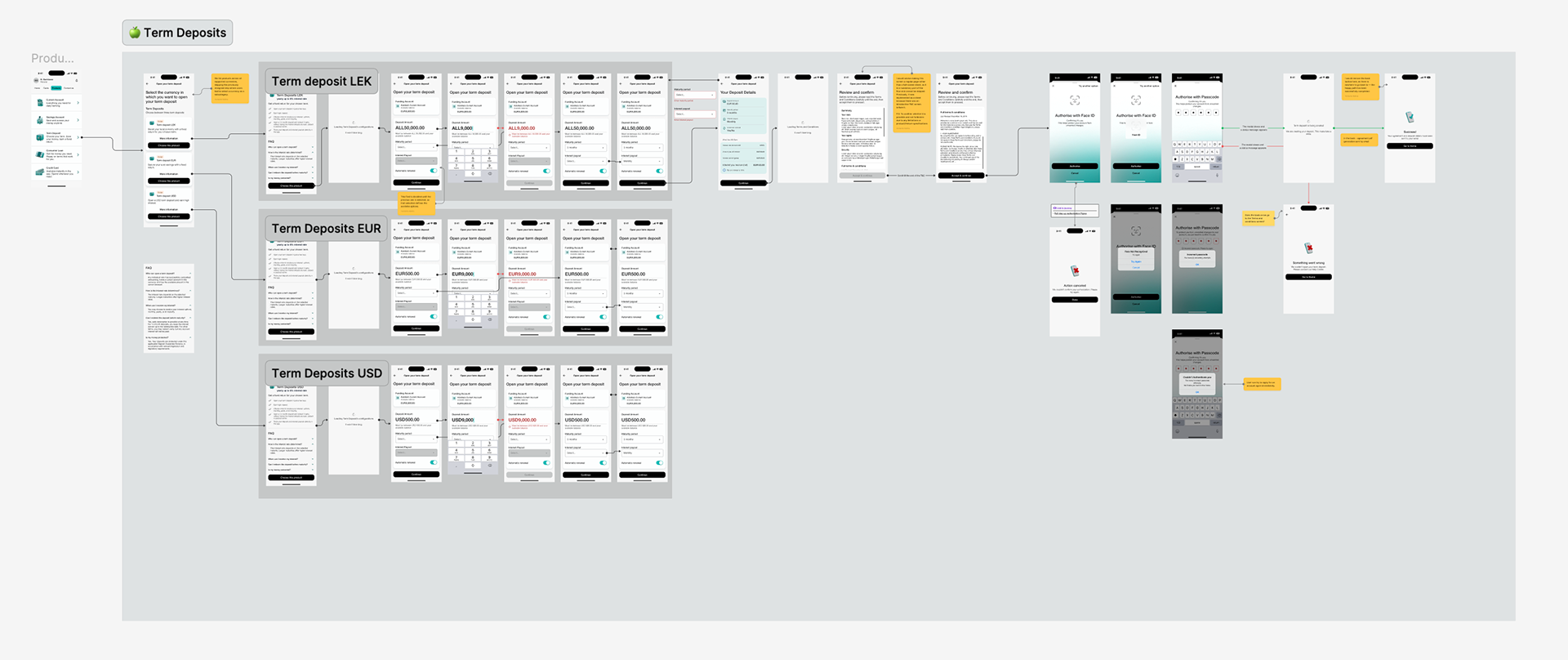
I currently work on large-scale digital banking implementations powered by the Backbase Engagement Banking Platform.
These projects involve delivering multi-module banking applications under strict compliance, technical and timeline constraints — where design is not only about interfaces, but about alignment, prioritization and responsible decision-making.
In this environment, my work extends beyond structuring flows and systems. It also involves a significant layer of emotional labour — navigating stakeholder perspectives, reducing friction, and creating clarity in situations of uncertainty.
This experience shaped how I approach design today: not only as problem-solving, but as designing systems that support trust, understanding, and human experience within complex, high-stakes contexts.
Context
The projects are enterprise-level implementations for international banking clients.
The environment is complex:
1. Predefined platform capabilities
2. Strict regulatory requirements
3. Tight delivery milestones
4. Multiple internal and client-side stakeholders
5. Distributed teams across design, engineering, business and delivery
Design decisions must balance:
1. Client expectations
2. Platform limitations
3. Implementation feasibility
4. Consistency across modules
5. User clarity and compliance requirements
In this context, UX is as much about negotiation and governance as it is about visual design.
My role
As a Senior UX Designer, my role extends beyond designing flows and interfaces.
I operate at the intersection of system logic, business constraints and human experience — shaping how complex banking systems behave, not just how they look.
I operate at the intersection of system logic, business constraints and human experience — shaping how complex banking systems behave, not just how they look.
I am responsible for:
1. Aligning client expectations with platform capabilities — translating complexity into structured, feasible solutions
2. Managing scope and reducing unnecessary complexity to protect clarity and usability
3. Translating business requirements into structured, feasible user experiences
4. Supporting UX governance and ensuring consistency across modules and teams
5. Facilitating decision-making by making trade-offs visible, understandable and actionable
6. Collaborating closely with architects, developers and delivery teams to bridge design intent with implementation reality
A significant part of my work involves navigating ambiguity and stakeholder dynamics — reducing friction, building alignment and supporting teams in making responsible product decisions.
I see this as an essential layer of design: shaping not only systems, but also the conditions in which those systems are created.
Key challenges
1. Designing Within Platform Constraints
The platform provides strong foundations, but also predefined architectural limitations.
The challenge is to create coherent and intuitive experiences without breaking structural boundaries.
The challenge is to create coherent and intuitive experiences without breaking structural boundaries.
2. Stakeholder Alignment
Enterprise banking projects involve:
- client product teams
- compliance departments
- delivery management
-engineering
- UX
Each group has different priorities.
Design often becomes the mediator between speed, feasibility and experience quality.
Design often becomes the mediator between speed, feasibility and experience quality.
3. Scope Management
Without careful alignment, scope can quickly expand beyond what is realistic within timelines and platform capabilities.
Part of my responsibility is identifying when a requested solution introduces unnecessary complexity and proposing simpler, more sustainable alternatives.
4. Consistency Across Modules
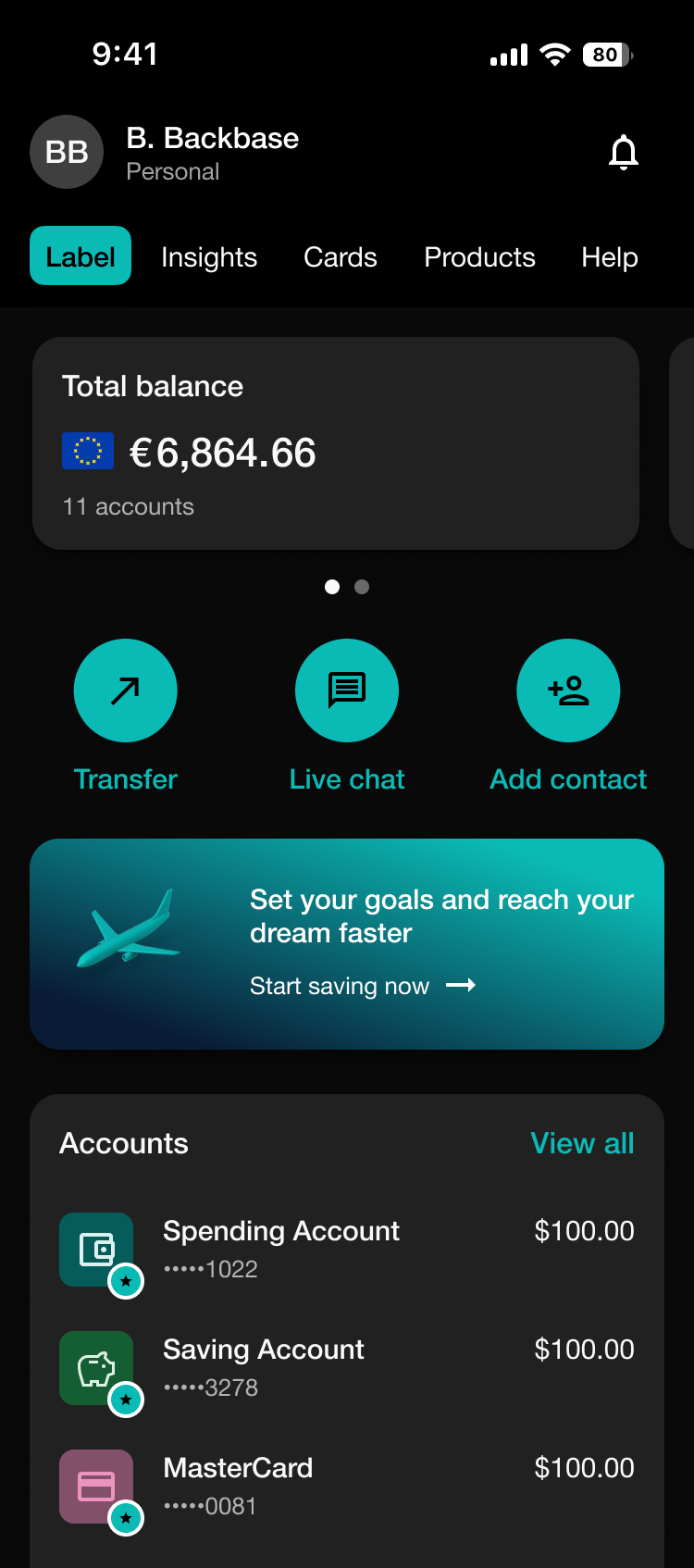
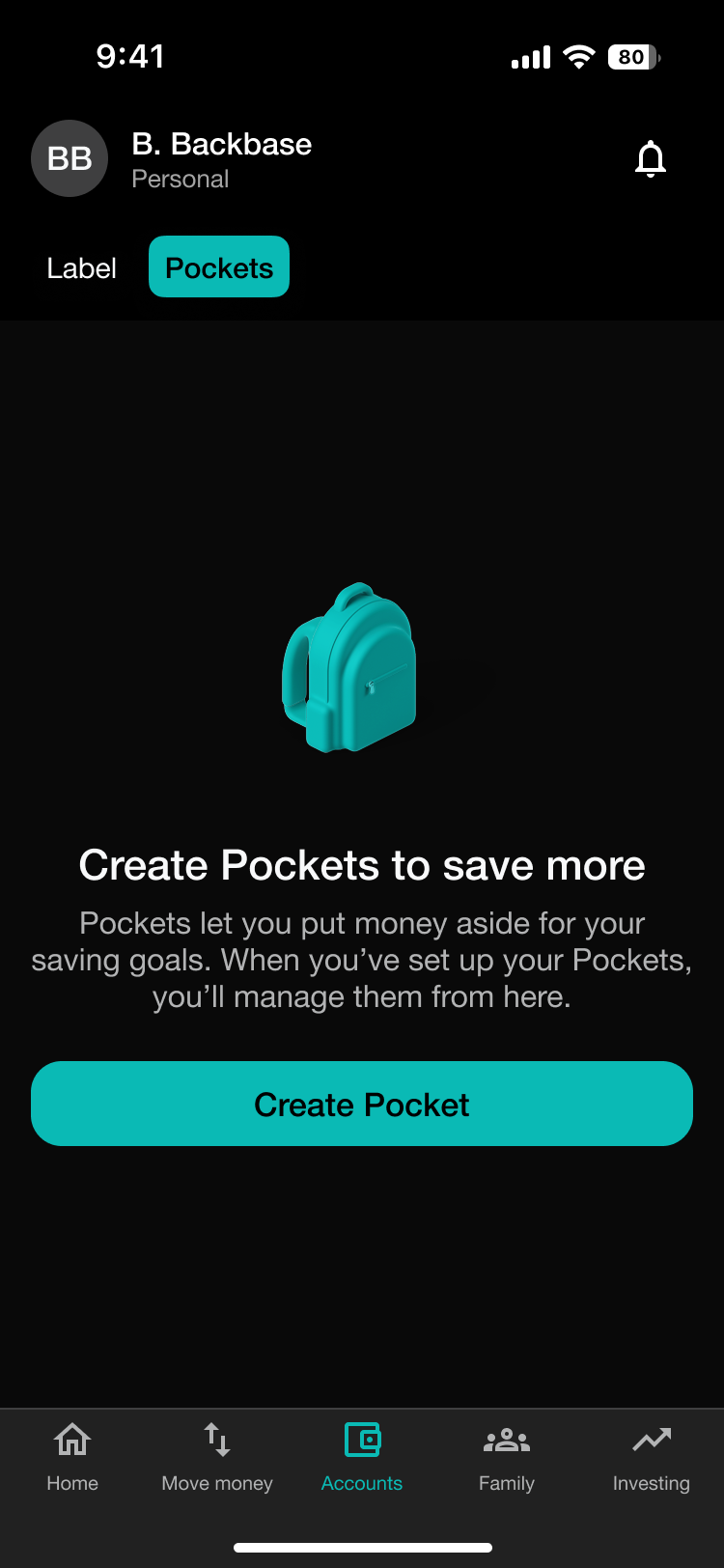
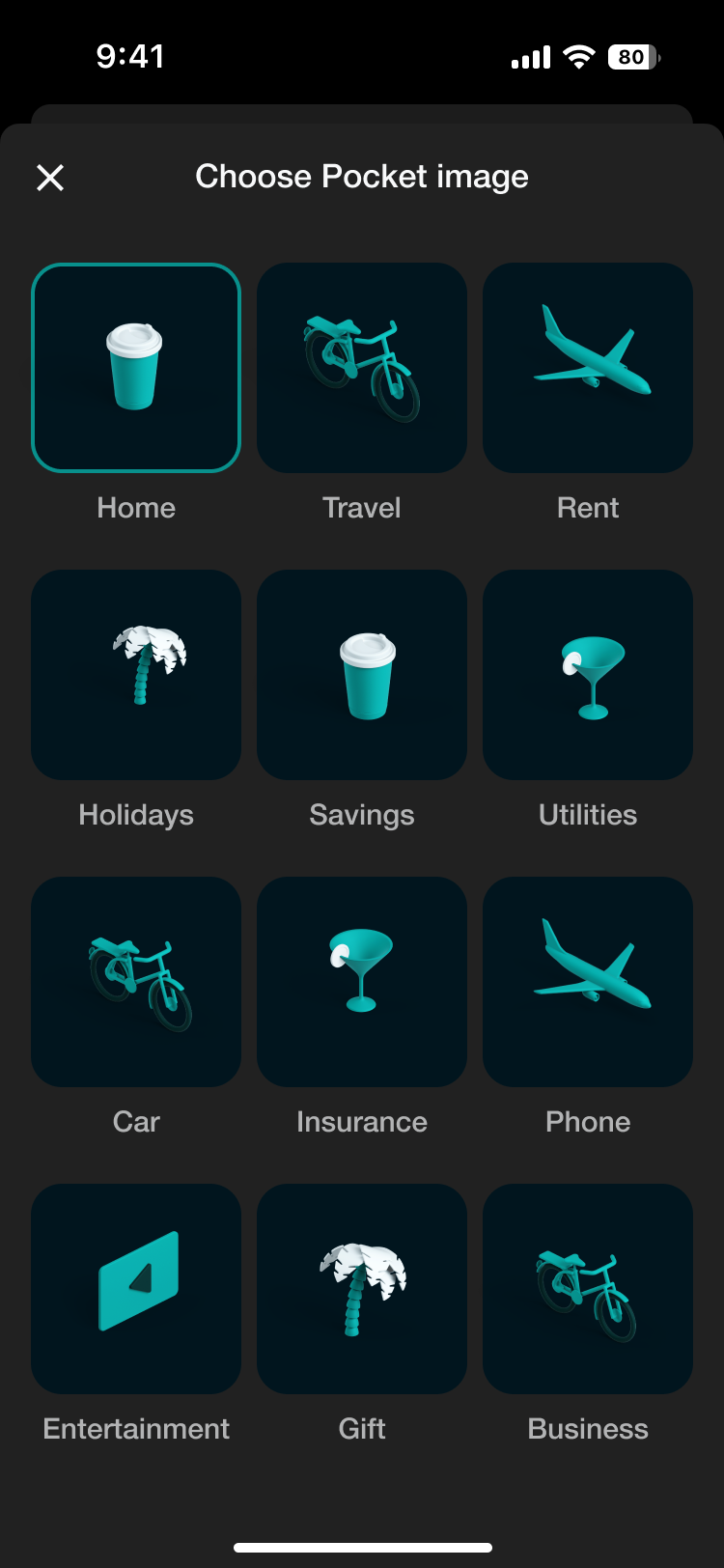
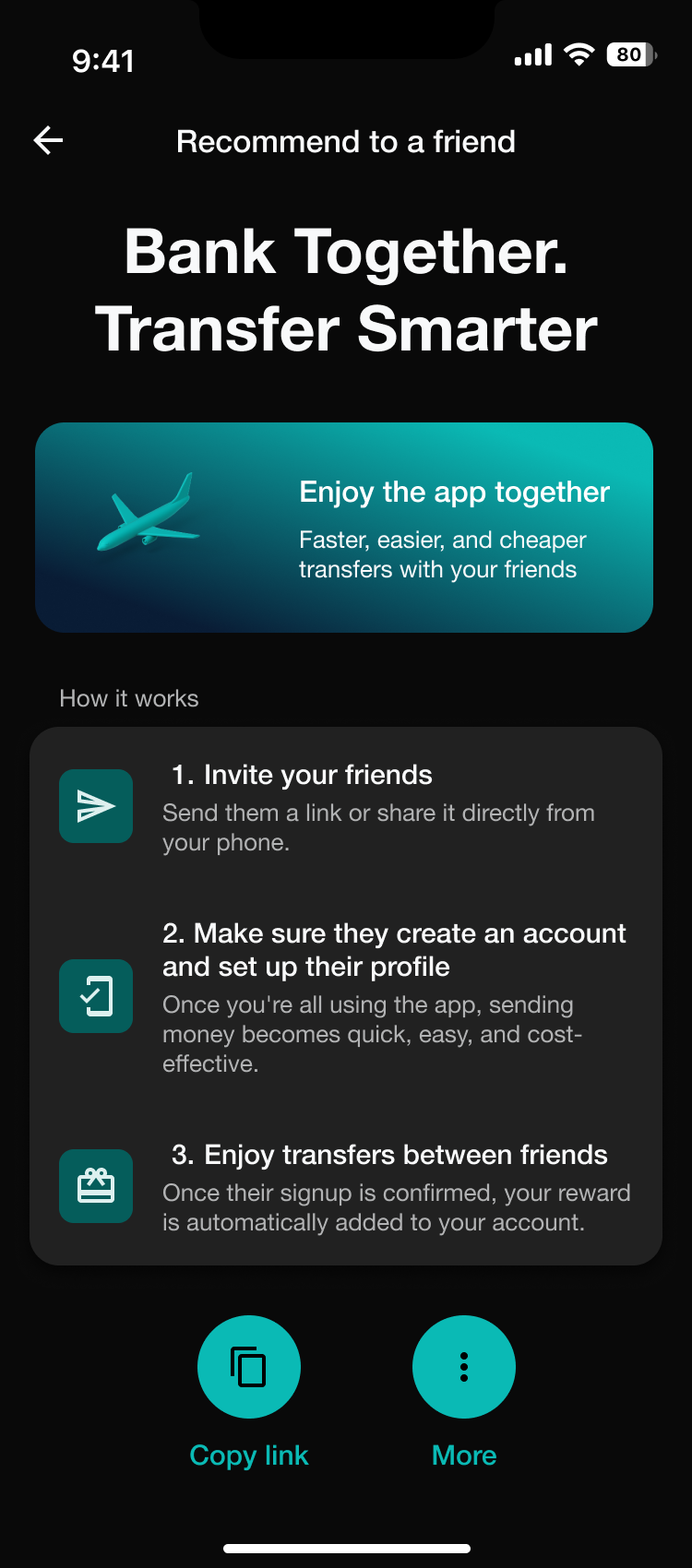
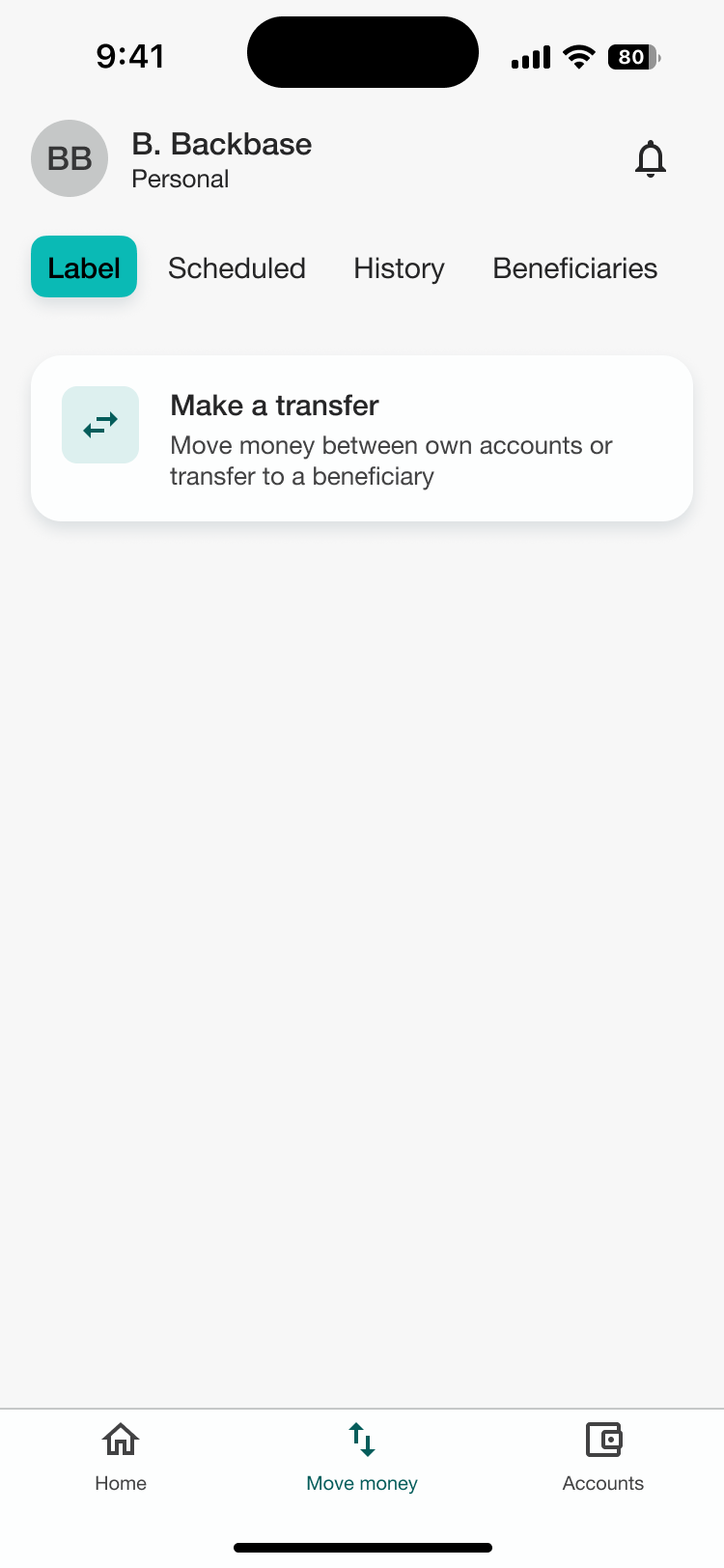
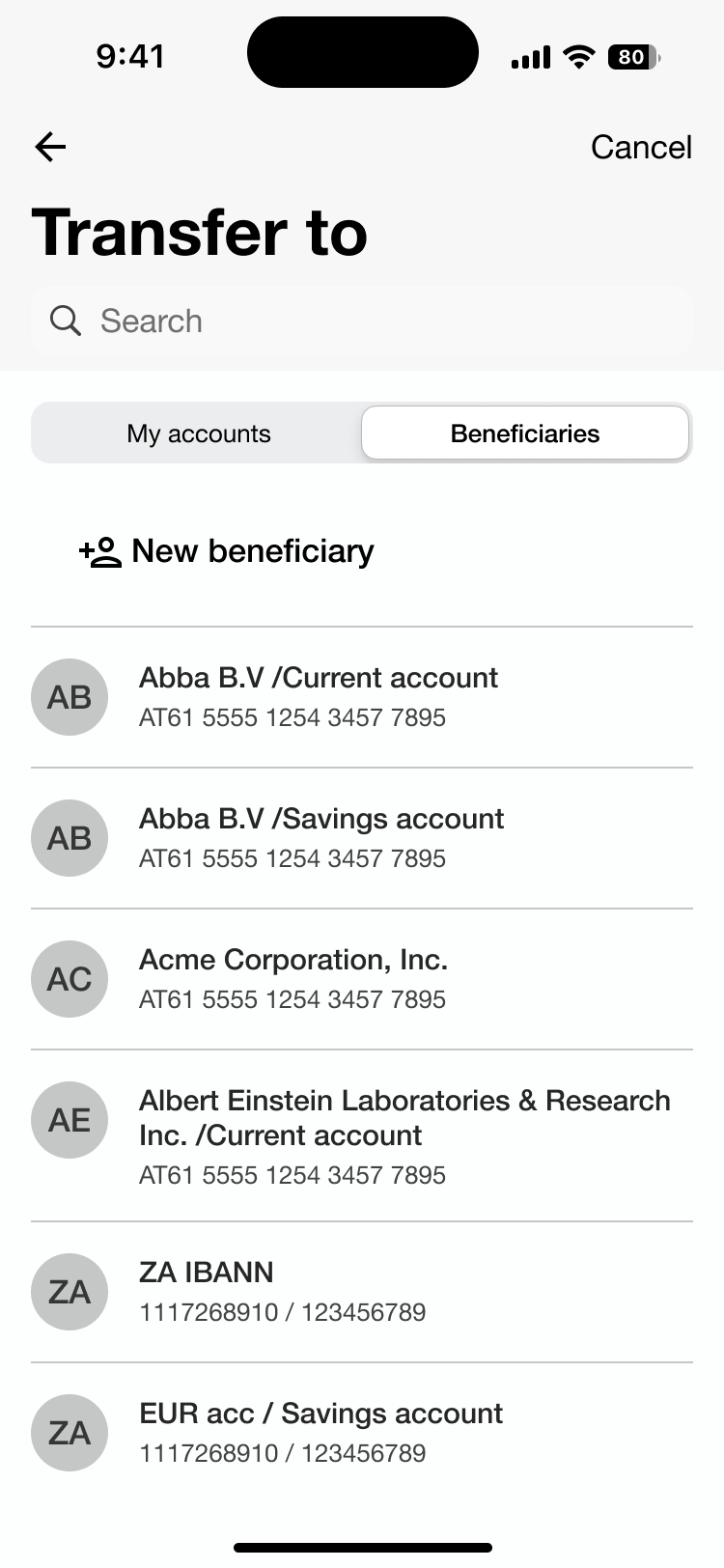
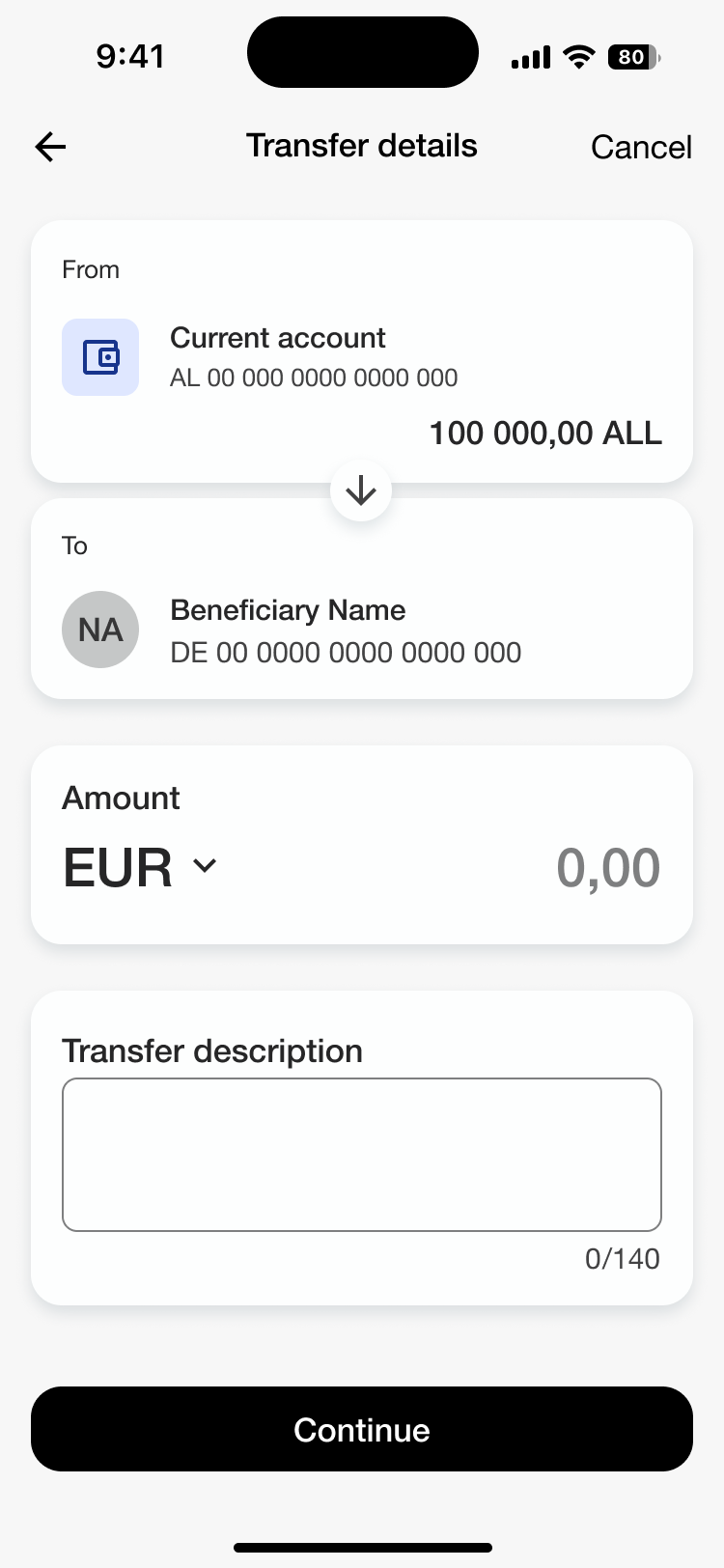
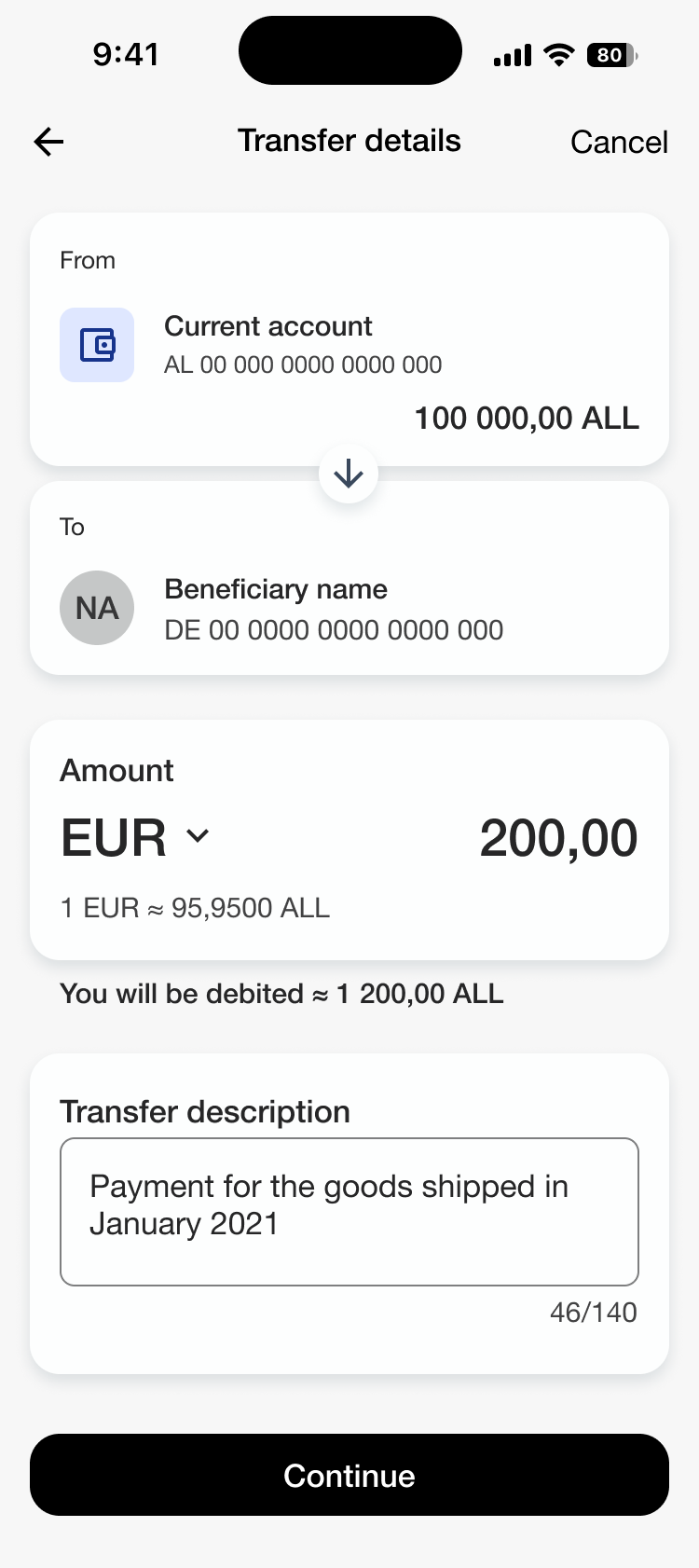
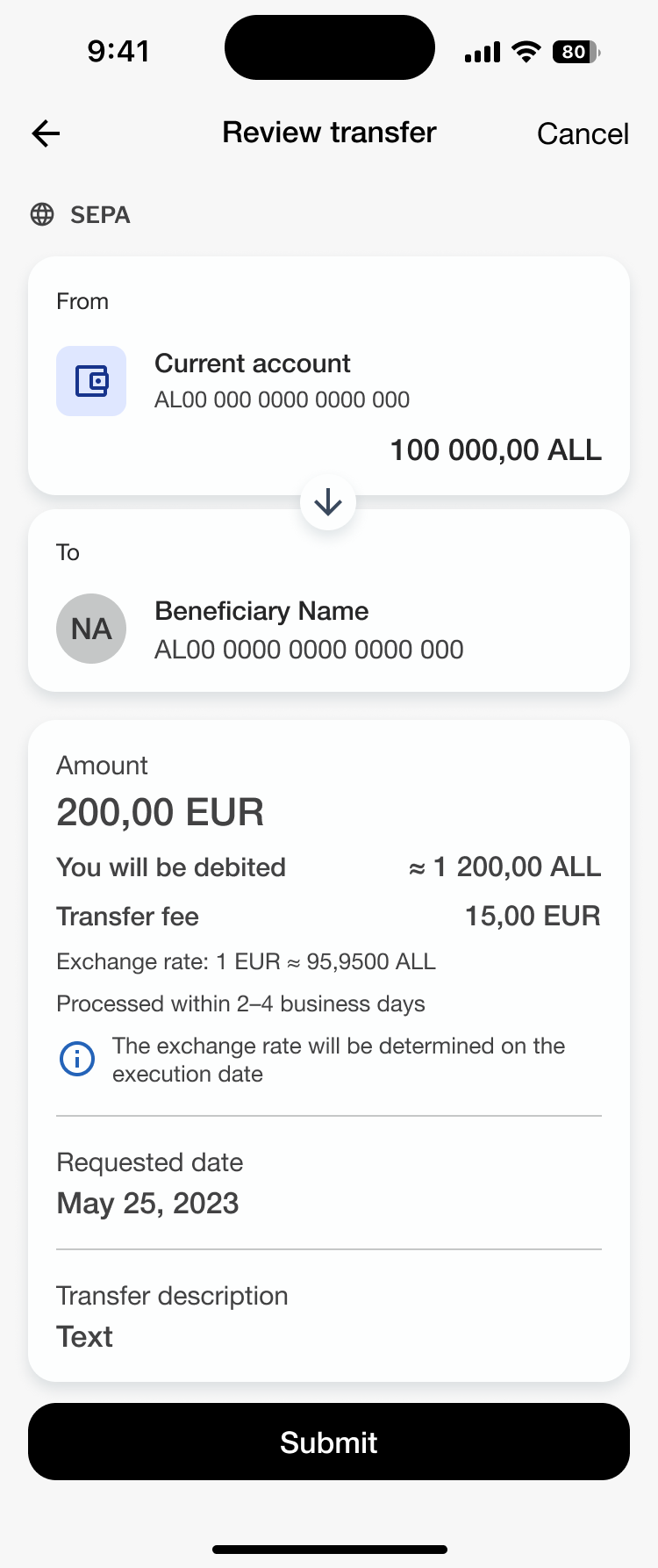
Large banking platforms are built in modules.
Ensuring visual, structural and interaction consistency across teams is critical to maintaining trust and usability.
Ensuring visual, structural and interaction consistency across teams is critical to maintaining trust and usability.
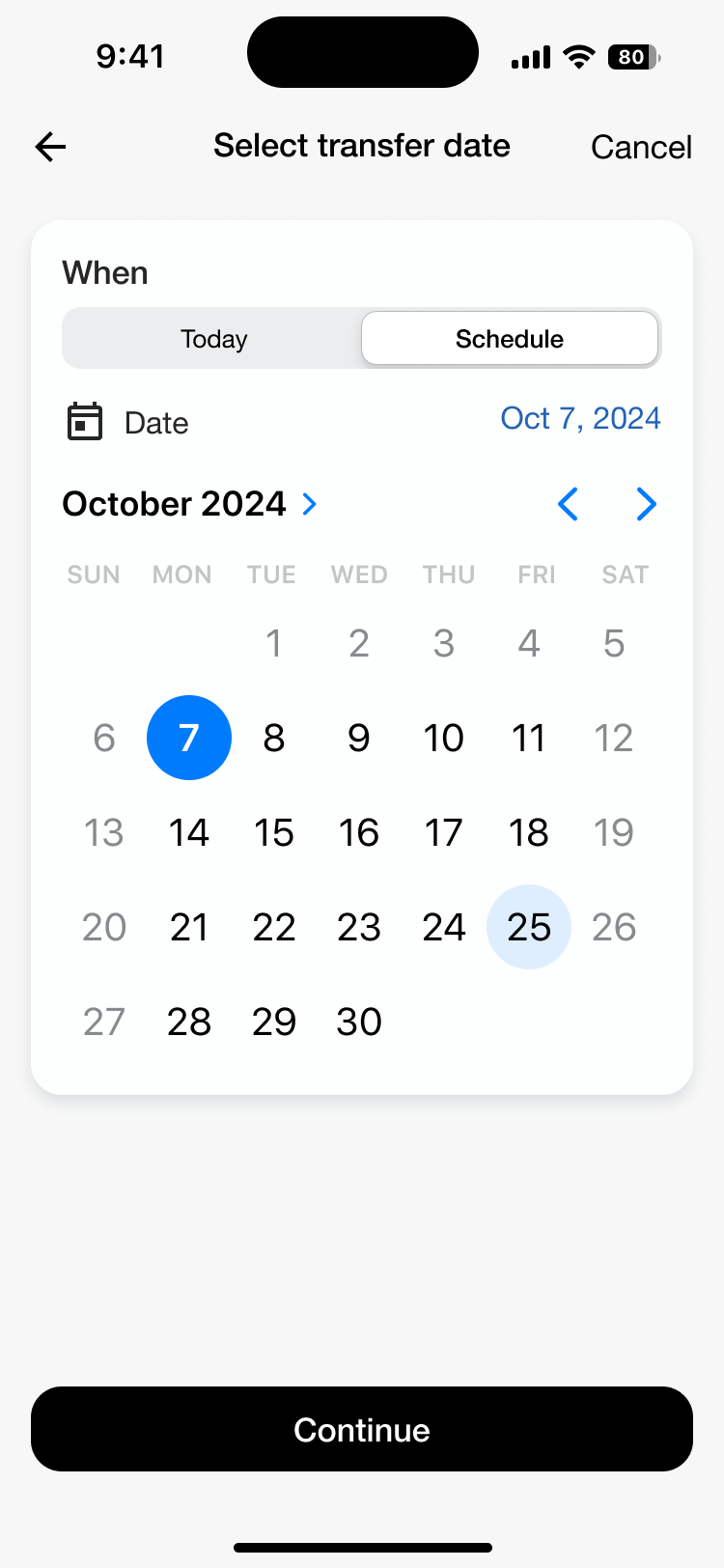
What I do in practice
Lead UX discussions during client workshops
1. Create prototypes that clarify decision points rather than just visualize features
2. Support theming and design system alignment across modules
3. Identify UX risks early by understanding dependencies, constraints and cross-team impact
4. Advocate for clarity and simplicity in high-stakes financial flows
5. Collaborate closely with engineering to ensure solutions are not only feasible, but meaningful in real use
6. Navigate stakeholder dynamics and reduce friction in complex decision-making environments
7. Translate ambiguity into structured, understandable directions for teams
8.Contribute to shaping how systems behave — not only how they are presented
Perspective: UX in Enterprise Environments
Through this work, I’ve developed a deeper understanding
of strategic UX.
of strategic UX.
In enterprise environments:
Design is often about managing tension between ideal solutions and real constraints
Simplicity requires discipline and negotiation
Responsibility matters — especially in financial products
This perspective shaped a talk I prepared for the Friends of Figma community, where I explored how UX in large organizations often becomes an act of alignment rather than pure creativity.
Outcome
Improved clarity and feasibility of complex banking flows
Reduced scope-related friction through earlier alignment and better decision framing
Strengthened collaboration between design, delivery and engineering — enabling more effective cross-team decision-making
Increased consistency across modules through governance and system-level thinking
Helped clients make informed, responsible product decisions within platform realities
Contributed to creating experiences that feel clear, predictable and trustworthy in complex financial contexts